It’s easy to think of recovery as secondary to training, but it’s actually the most directly impactful part of the training process. Only through recovery does your body actually get stronger, and only through rest do you get faster.
Progress isn’t always linear— and that’s not a bad thing. TrainerRoad successful athlete Jack Turnbull shares his journey through the ups and downs of his progression and how he’s adjusted his training to sustain a 4.8 power to weight ratio.
Life happens. And sometimes, the stress that comes with it threatens to derail your training. But don’t worry, there are plenty of strategies for controlling stress that can help your general well-being and keep your training on track. Here are some tips for managing life stress.
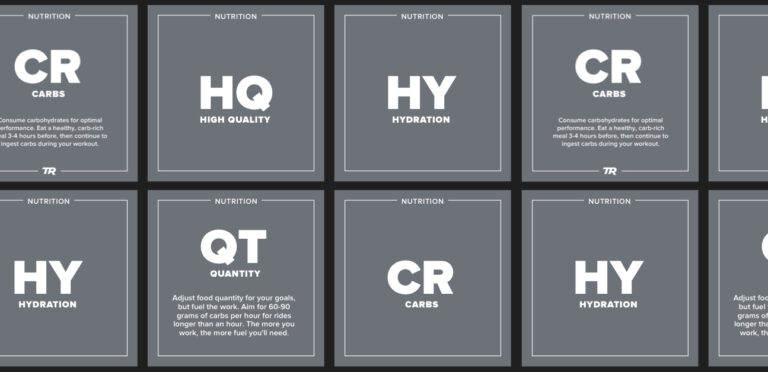
You need sufficient, high quality nutrition to fuel your workouts, aid your recovery, and promote your body’s physical adaptations. When you’re not fueling properly you’re short changing the training process, and your body’s ability to work harder and get faster.
When it comes to endurance training, your sleep is just as vital as your workouts. In the age of marginal gains, improving your sleep is the most significant change you can make to improve your performance. This article will cover how you can increase your sleep quality and quantity.
Cyclists ask a lot of their muscles, but not all muscle is the same and different muscle types function in different ways. Let’s examine muscle types and consider how building muscular strength can make you faster.
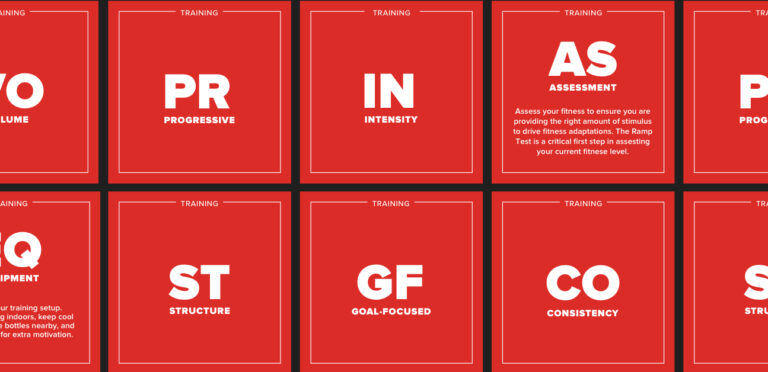
The Training Elements of Getting Faster are ten training principles, that when actively applied to your training, can help you get faster and make the most of your hard work.
Do you ever feel like other cyclists improve more quickly and dramatically than you? Here are four real-world examples of TrainerRoad athletes and their improvements.
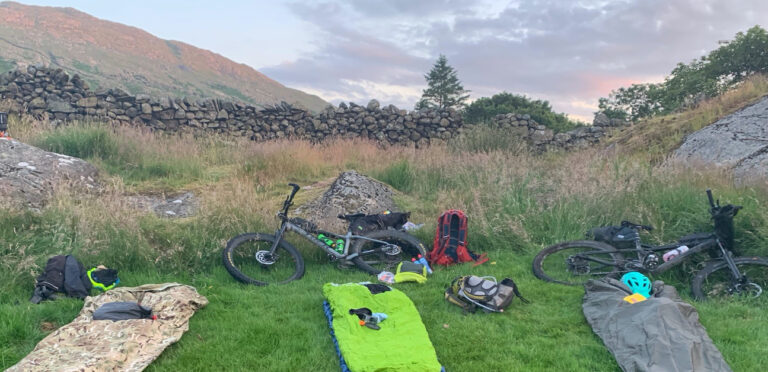
Structured training is a helpful tool for every cycling discipline. Rob Belsom used TrainerRoad’s low-volume plan to prepare for a rugged 100-mile bikepacking event. Juggling work and family commitments, Rob has some tips for anyone seeking adventure through bikepacking.
Jon Kaslow started cycling on a whim, but this busy rider used TrainerRoad’s low-volume plans to dramatically improve his FTP. His strategies are a great example for any time-crunched athlete.