Why FTP isn’t always the best measure of your fitness, how to find the right type of base plan for you, why plyometrics may help cyclists get faster and more in Episode 273 of The Ask a Cycling Coach Podcast.
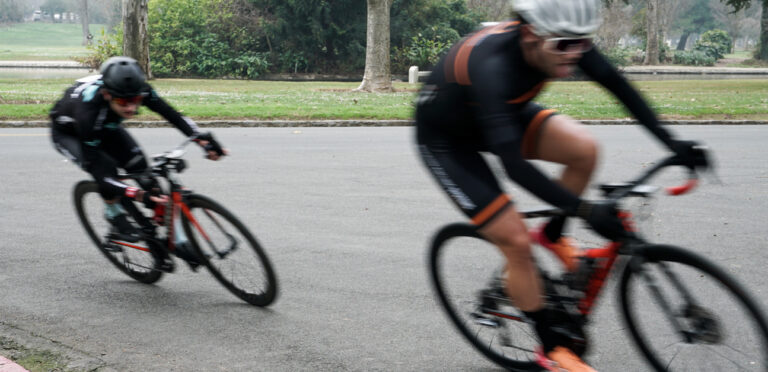
Why FTP isn’t always the best measure of your fitness, how to find the right type of base plan for you, why plyometrics may help cyclists get faster and more in Episode 273 of The Ask a Cycling Coach Podcast.

Getting faster doesn’t always mean massive weekly training stress. This can be true in many cases, but improving fitness is mostly dependent on the types of stress, when you apply it, and how well you manage it.

Caffeine is the world’s most popular drug, and is closely associated with cycling culture. Should you be incorporating caffeine into your training in a more deliberate way?

Balancing a demanding training load with a busy schedule is a challenge for any athlete. Entrepreneur, mother, and professional mountain bike racer, Sonya Looney, shares how she fits training into her busy schedule without compromising the time and responsibilities that are important to her. Share your success story and tell us how TrainerRoad helped you…

Energy production and management are the core of endurance sports. Your body has three main energy systems that enable you to put power to the pedals—aerobic, anaerobic, and neuromuscular. In this introduction to the different energy systems, we’ll cover how they produce energy, how they are different, and why they are essential.

Here’s how professional mountain bike racer Alex Wild warms up for XC MTB races and preps his starts to make them as smooth and as powerful as possible.
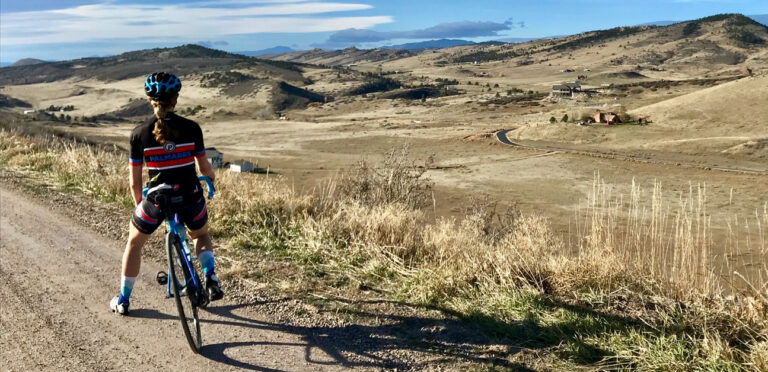
Cycling forms a part of our self-identity. For Carly Williams, her identity and purpose changed in ways she could never have expected, but the structure of training helped push her forward through trying times.
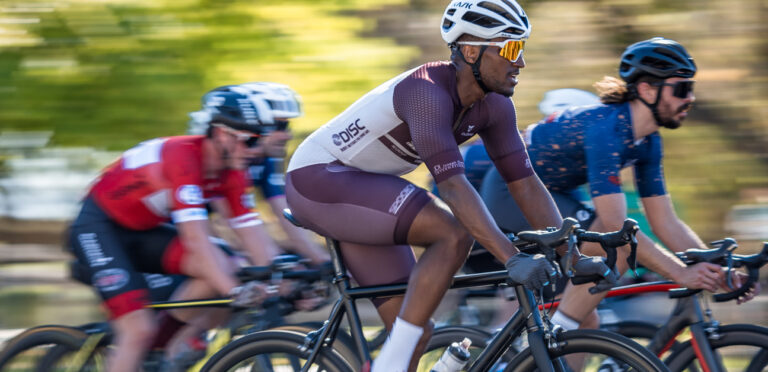
Training specificity might seem to imply that long events require long training rides, but energy systems are more important than duration or TSS.

Every cyclist has strengths and weaknesses. The good news is that specific types of fitness are highly trainable. How do you use a power curve to discover what you’re good at, what needs work, and what can you do with that information?

It’s important to understand how your body processes food differently during exercise, because the long-term consequences of careless eating might be more dramatic than you realize.