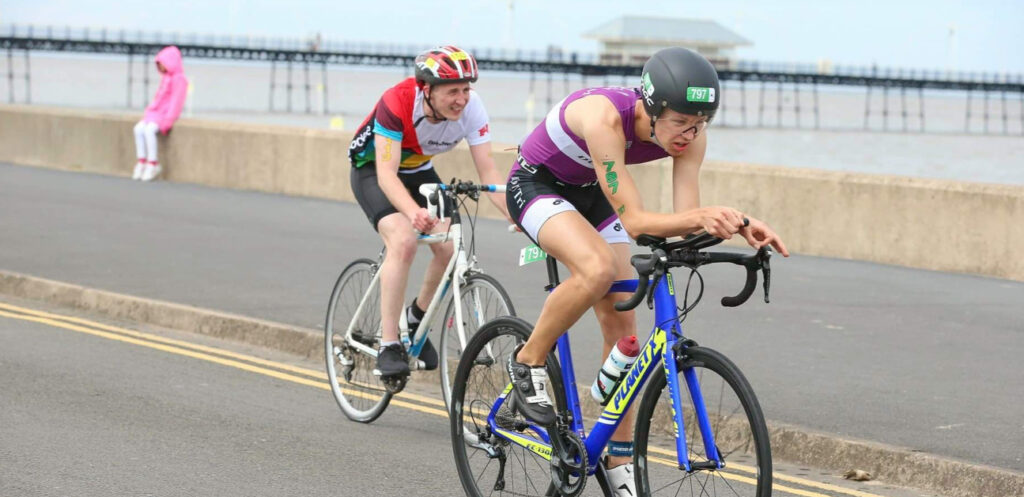
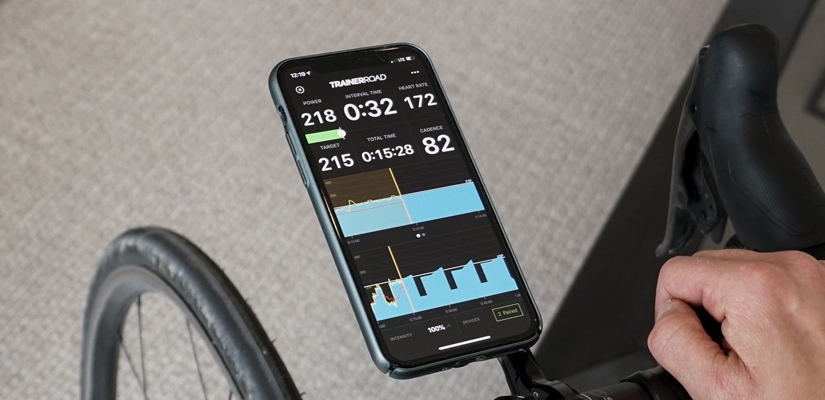
Endurance athletes love a challenge, and reflexively gravitate towards harder workouts and higher volumes in their training. But for most athletes, this isn’t the most productive or sustainable path. Is a high-volume training plan right for you?
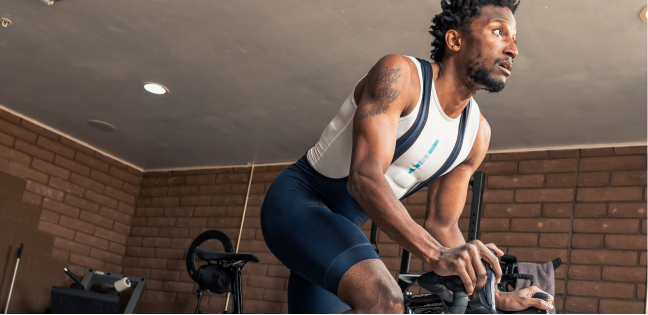
While cyclists need training stress to promote physical adaptations, too much of it can have the opposite effect. A prolonged period of insufficient recovery and excess training stress can lead to non-functional overreaching, and ultimately to overtraining syndrome.
From professional racers to absolute beginners, TrainerRoad employees include cyclists of all abilities and experience levels. Collectively, we’ve learned a whole lot about using TrainerRoad to get faster, so we asked our employee athletes their favorite lessons they’ve learned along the way.
Triathlete Jamie Berry’s promising race results told one story, but stagnating progress and constant fatigue told another. Jamie’s journey to better health is a lesson in proper recovery and fueling.
It might seem logical that more training makes you faster, but big volume and intensity can sometimes do more harm than good. The minimum effective dose of training strikes a healthy balance, ensuring consistent improvement over the long term.
Every athlete deals with changes in motivation. However, when dealing with canceled events or personal setbacks, low motivation can threaten to derail your training. You can keep your training on track with these tips for finding motivation for tough workouts.
We want results and we want them fast. So how do we get them? In sports science theory, empirical research now backed with scientific evidence identifies a way our bodies achieve the desired metabolic and muscular response of increased aerobic capabilities and strength. The methodology and actual training adaptation that gets you there is supercompensation. […]