Getting down on my self. It appears an injury has moved into the 2nd week and not sure when ill be able to ride again.
Feel like pushing my entry out to next year. Good chance I cant ride till april to get this issue to heal.
Getting down on my self. It appears an injury has moved into the 2nd week and not sure when ill be able to ride again.
Feel like pushing my entry out to next year. Good chance I cant ride till april to get this issue to heal.
80% frozen hydration bladder - I rode the 200 last year and will do the same this year. I used a 3L bladder on my lower back and 2 bottles on the bike. Last year was cool and cloudy but I am preparing for the complete opposite this year. Assuming it is hot and sunny, I want to be ready. I am working on and practicing my strategy in my local Florida climate. Thinking of having frozen bladders ready at rest stops (2 stops). I will have crew “top off” bladder with liquid just prior to switching it out of hydration pack. Here is the part that I am toying with - removing insulation from pack/harness to encourage bladder sitting directly on lower core of body. I may even alter my jersey to remove extra material. The goal is basically to get the bladder directly on skin for cooling. Again, I am assuming conditions are super hot and sunny. Anybody do anything like this? any points or comments to think about?
Have you tried a frozen bladder? I haven’t frozen a bladder, but I’ve experimented with ice cubes in bladder a couple times (worked well), and more often with freezing bottles (also a FL res). Too much ice in bottles, particularly one frozen block of it has been an issue for me a couple times. I had the bottom 1/2 to 2/3 frozen (it WAS an insulated bottle, though)(eta it was also in a Revelate feed bag, which offers some insulation value, too), and it would not thaw fast enough when I needed it. And that block of ice in a bladder could get really annoying on your backbone with no insulation, if the bag isn’t set off the surface of your back.
I suggest you try varying cube sizes of bagged ice, so you have more of a slushy slurry. It does feel good on your back.
For bottlles, I’ll fill the about 1/4, and lay them almost flat in the freezer so there is more surface area of ice in contact with the water (but if you put too much water in the frozen column you create may keep you from being able to squeeze the bottle (been there), so back to the ice cubes.
Yes. Last year and it was not the winning hydration strategy for that weather. It was too cool and I ran out of thawed liquid before even getting to the oasis. We were karate chopping the block of ice to try to break it up and get it out to make room for drinkable liquid.
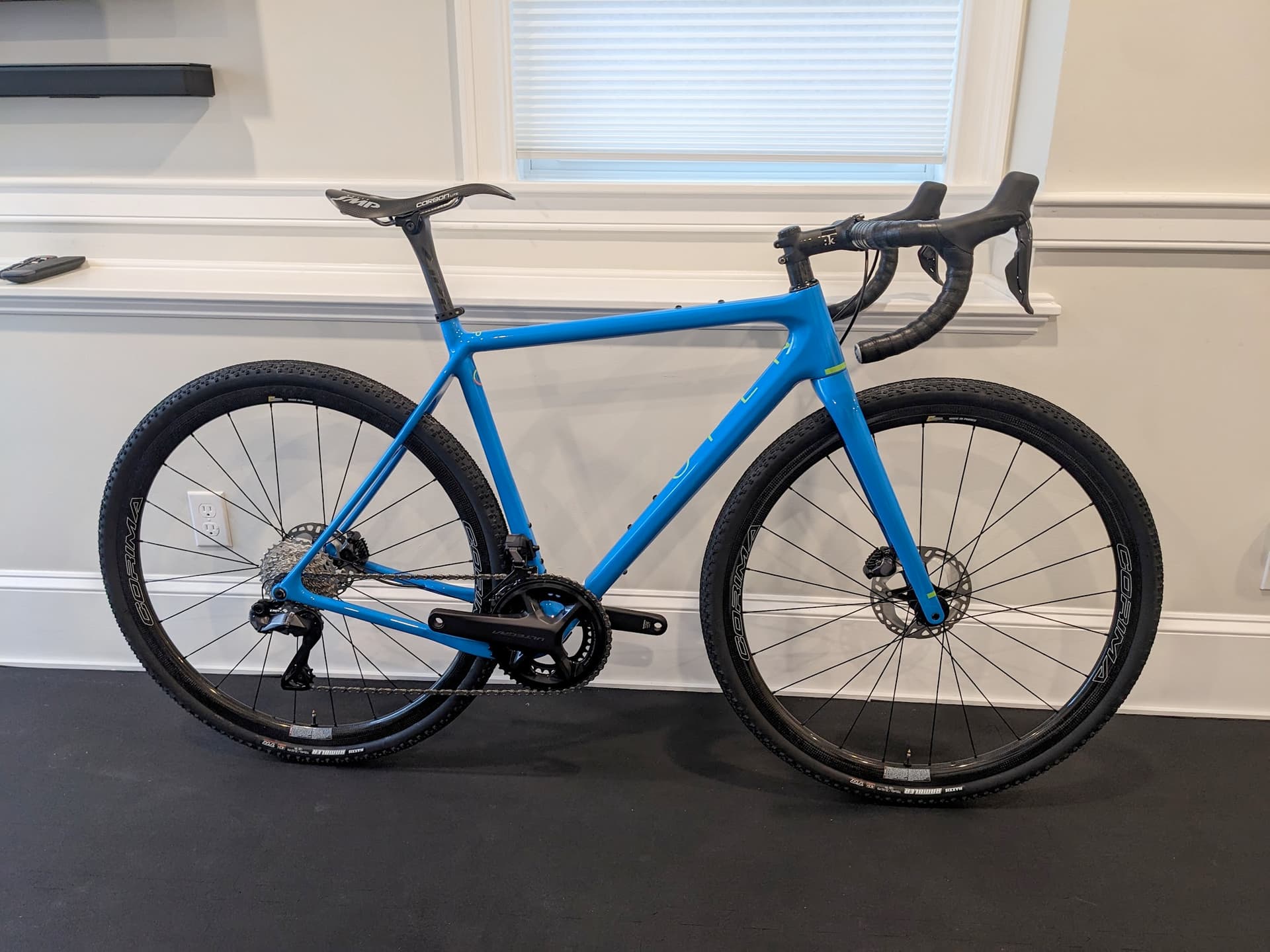
For the 3 people who may be interested in me smashing together a road background with MTB experience into riding the 200:
In terms of further fitments: I think I’m going to put a storage keg under the down tube and get this top tube bag as well as a small saddle bag. Hydration strategy, as others have been discussing, is up in the air and I think will be based on weather and placement of oases/aid stations. I would like to avoid a hydration pack if possible because I’d like to have my back free for heat dissipation—I think I’d rather run a third bottle in my jersey.
I would recommend against that….even three bottles won’t be enough given the stretch between aid stations. Plus you need to carry nutrition, etc.
When I did it in 2019, I started without the pack and then grabbed it at the first aid station from my crew.
You could try a hip pack. Either with bladder or just with bottles.
I’ve always waffled between camelbak chase pack and evoc hip pack. I like shoulder straps for thr camelbak but gets a bit warm. The hip pack is cooler but for me it ends up sitting low as I think because I don’t really have an arch in my lower back or maybe my lack of hips 
I wasn’t a pack fan until I tried a uswe pack. I do all my training with one (Texas heat) and have been using them in MTB and gravel races for 4-5 years. I can’t even wear a wicking base layer in the summer because I feel like they capture heat, but the pack doesn’t bother me at all. I did kind of ease into using them more and more, so maybe it’s just a trainable thing like anything else. Being well fueled and hydrated is so important and I just do better with hydration if I have a pack. Besides the extra volume, it’s much easier to drink on technical sections where grabbing a bottle can be tough. It can also be a huge tactical advantage in some races to skip the aid stations if you can load up at the start (flame if you want, but if I’m willing to carry the extra weight, then I’ve earned the right to blow through an aid station).
Is GU Roctane the sports drink provided at the 2 aid stations/checkpoints? (Assuming I have the correct understanding of how checkpoints, water stops are setup)
Never tried it, but plan to if that is what’s provided.
Thanks
You mean with the Crew for Hire?
The neutral water stops (which are not the checkpoints) are plain water only
I think this is where I’m confused. Is there neutral support other than your crew at checkpoints? I’m aware water oasis are water only, no support. Thanks
No. There’s no neutral support outside of the water oasis.
The two checkpoints are the only place where you will have your crew. You can either use your own or hire a crew. There are a few operations that are available for hire but the main “Crew for Hire” will have GU stuff. But they are not a neutral service. You have to pay for that if you don’t bring your own crew.
I have used 3 Feet Cycling as my hired crew for two years and they were amazing.
When I last did unbound in my drop bags for crew for hire I just put the bottles I wanted with the mix powder in them so when I got there the crew for hire just added water for me.
I honestly don’t recall what stuff crew for hire had.
This explains my confusion. I did the crew for hire offered when you enter the lottery.
Thanks for the help.
Same here. They had my bag at the check point and filled my Osprey with water, that’s about it. Then I hit the road again 5 min in and out
They were quick considering the number of riders they handle. Not that I need to be sprinting out of there. But I was slower getting organized. The volunteers were quick.
I don’t like to linger too long at the checkpoints or else I’ll get stiff and want to sit there for 20 minutes.
I’m doing the 200 this year so opted for 3 Feet instead of Crew for Hire.
A Teammate is a member and they also provide the setup for Specialized. So an actual crew.
What’s the difference in service between 3 Feet and Crew for Hire?
One difference between the two is crew for hire doesn’t provide any sort of mechanical support.