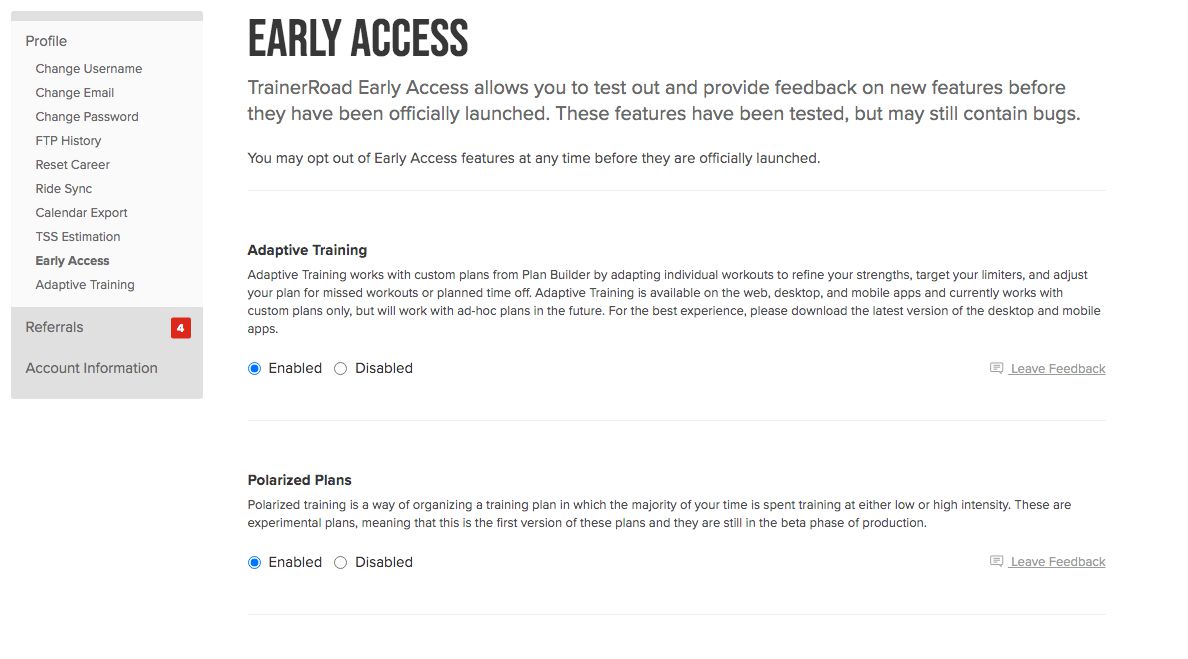
Tim Cusick gives a fantastic breakdown on training modality here.
He explains his favorite time to use polarized is when peaking for races. I’ve also found this the best solution.
He uses sessions, as does Stephen Seiler. I use sessions, most of the coaches I know use sessions. I feel the polarized hard / easy training rhythm is dramatically more important than strict TIZ. TIZ over a week and within sessions can be very complex.
I would think that long term the optimal TR program will look something like…
Traditional Base or SS Base
Build
Polarized specialty
This structure with the caveat that the sessions, inc during base and build, are polarized. What this easy / hard session structure is, is the holy grail. Is it 80/20, 70/30 60/40 etc. Everyone is different. Some tolerate 2 hard days a week, some more, some less. Some people tolerate sweetspot well, others don’t.
This is the art of coaching. Long term AI will know this, however it will not happen quickly. As the recovery will need to be measurable for it to be more precise than our own perception of fatigue.
In order to accurately prescribe training all of the following inputs are needed. There are many others I imagine…
Age
Athlete phenotype
Previous training history
Sleep, both immediate and general
Current training fatigue
Glycogen status
Job stress, it needs to know this at macro daily level
Family stress
Relationship stress
Daily physical load outside of training
Illness
When the AI has all these inputs, it will be able to accurately prescribe training. The big question mark for me is recovery. We currently have no reliable metric. Some think HRV does this. I don’t think it’s currently useable enough to strictly rely on it. Our own perception still smashes it.
I was thinking, why not a simple ten question sliding scale form you filled out each morning? It took this data prior to giving you your daily training prescription. This could add useful long-term data on individual athletes and overall prescriptions.